

CASE STUDY: Restoration and Conservation of a Church Stained Glass Window:
Stained glass windows are significant architectural and cultural features in many churches. They often hold historical, artistic, and religious value, making their preservation an important aspect of heritage conservation. Over time, these windows can deteriorate due to many factors including environmental exposure, structural movement, mechanical damage and material compromise requiring careful restoration and conservation.
Significance of Stained Glass Windows
Church stained glass windows frequently reflect the period in which they were created. In addition to their aesthetic role, they often convey religious narratives or commemorate individuals and events. Preserving these windows helps maintain both the physical fabric of the building and its historical context.
Project Overview
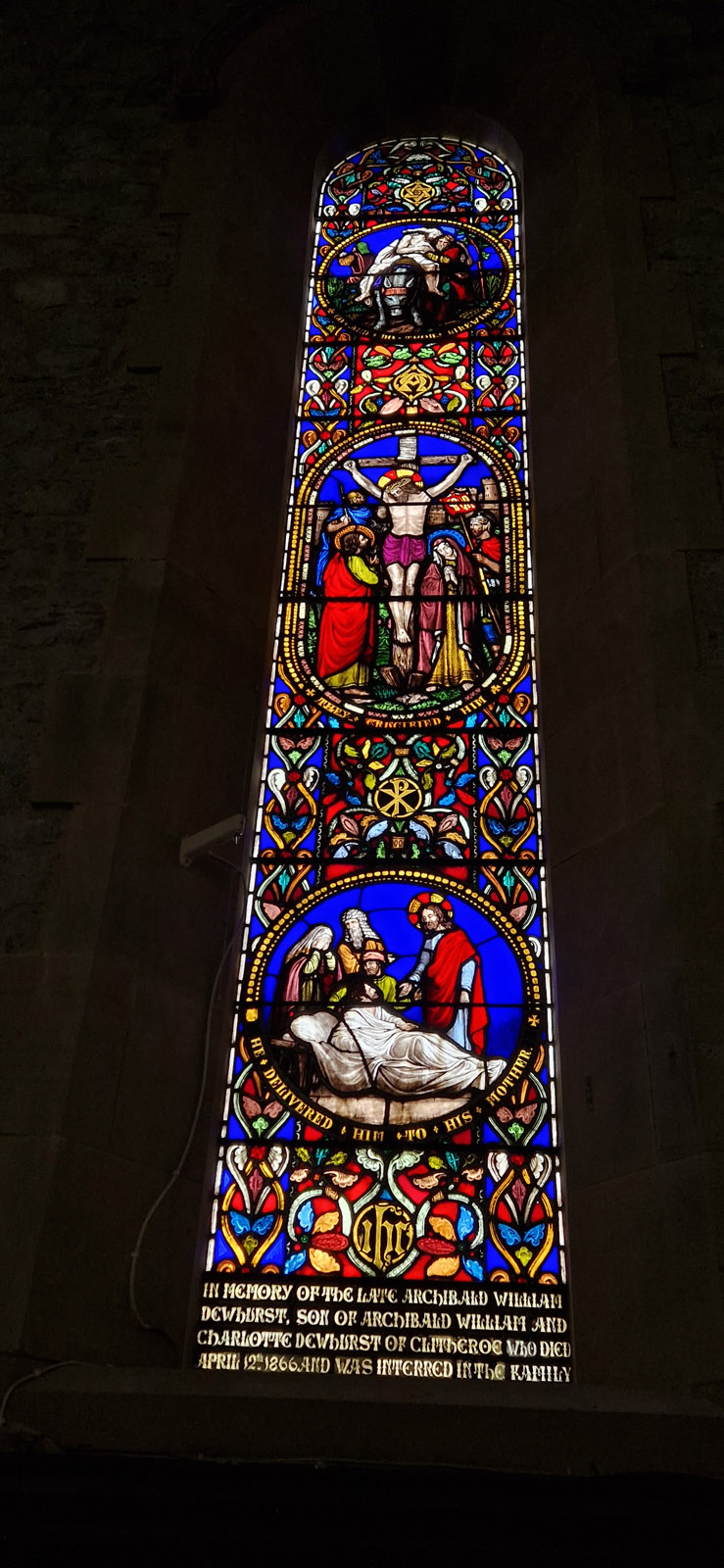
In this case study, we look back at the restoration and conservation of a large pictorial stained glass window at St. James Church, Clitheroe. Carried out over a period of 4 months in early 2025, our objective was to stabilise the structure, assess and address material deterioration, and preserve the window’s historical and visual integrity while ensuring its long-term durability.
Background
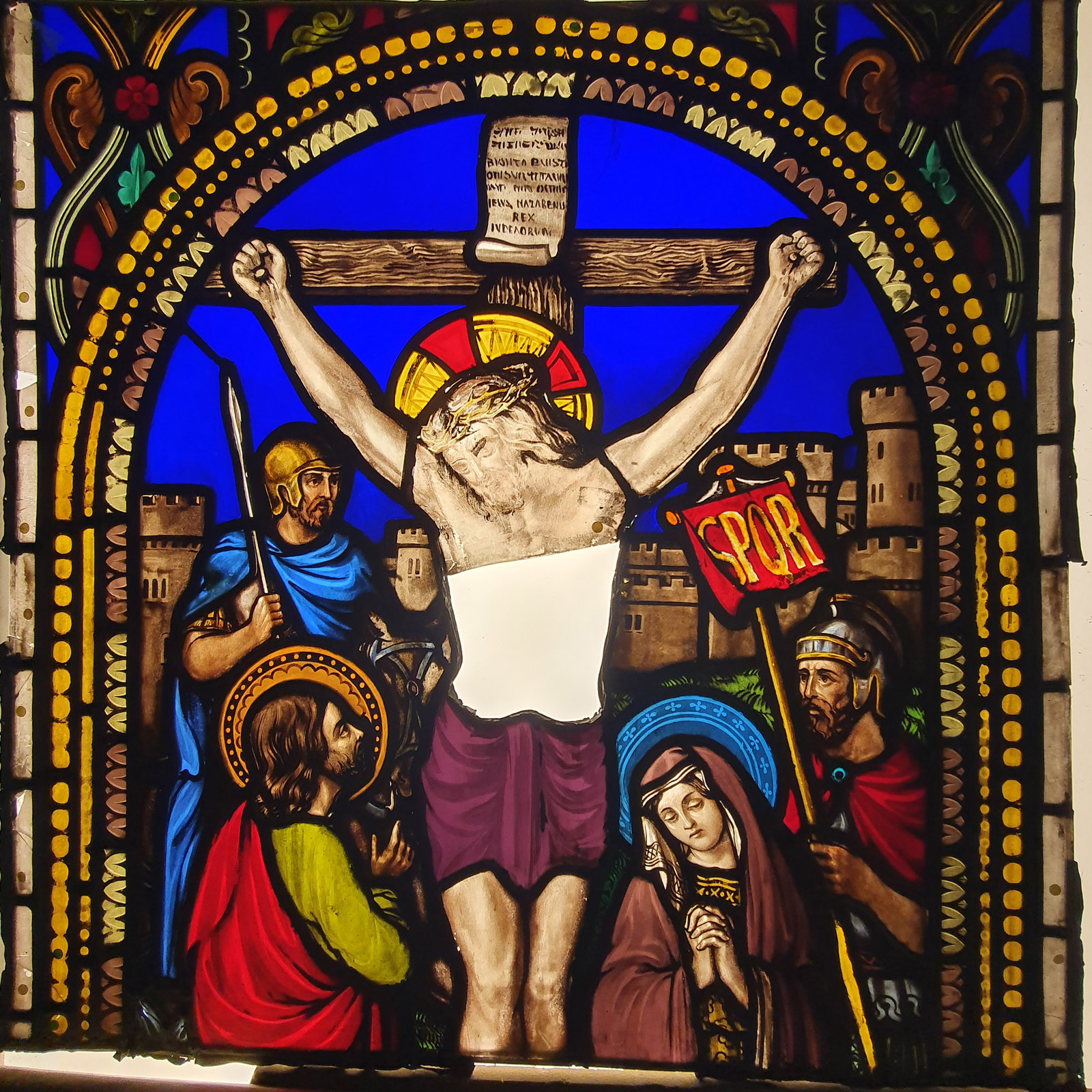
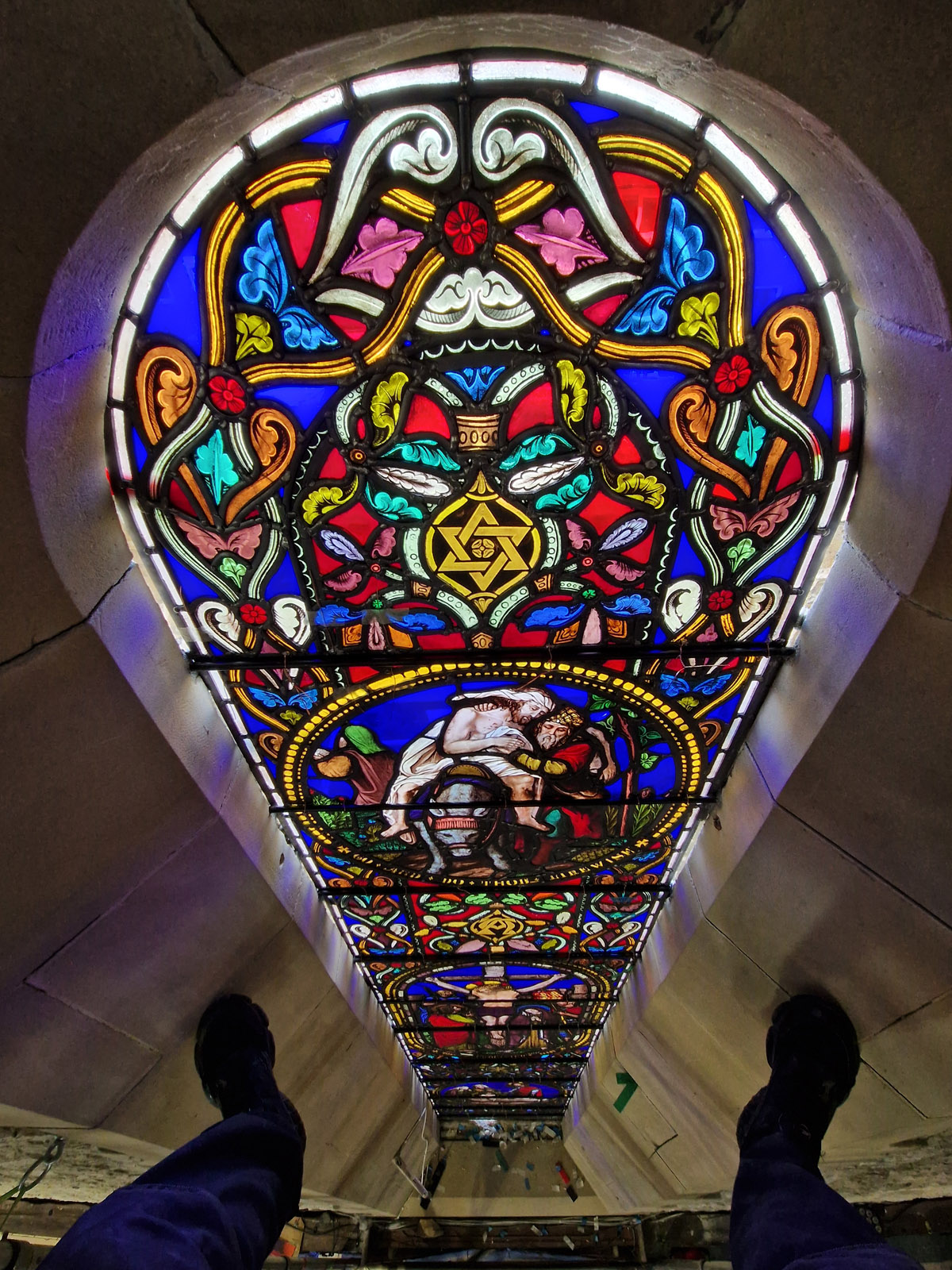
The window reflects the traditional craftsmanship and design characteristics of the late Victorian period. While records are inconclusive, it is believed to have been designed and produced by London based stained glass artist C.E. Clutterbuck Jnr in the mid-late part of the 1860’s. It comprises nine individual panels of hand-painted and kiln-fired glass depicting key events in the life of Christ. From initial ground level assessment following the loss of a small amount of material during a storm, we observed clear signs of structural failure including significant weakening and splits within the lead matrix, surface bowing, cracked glass and loss of pigment.
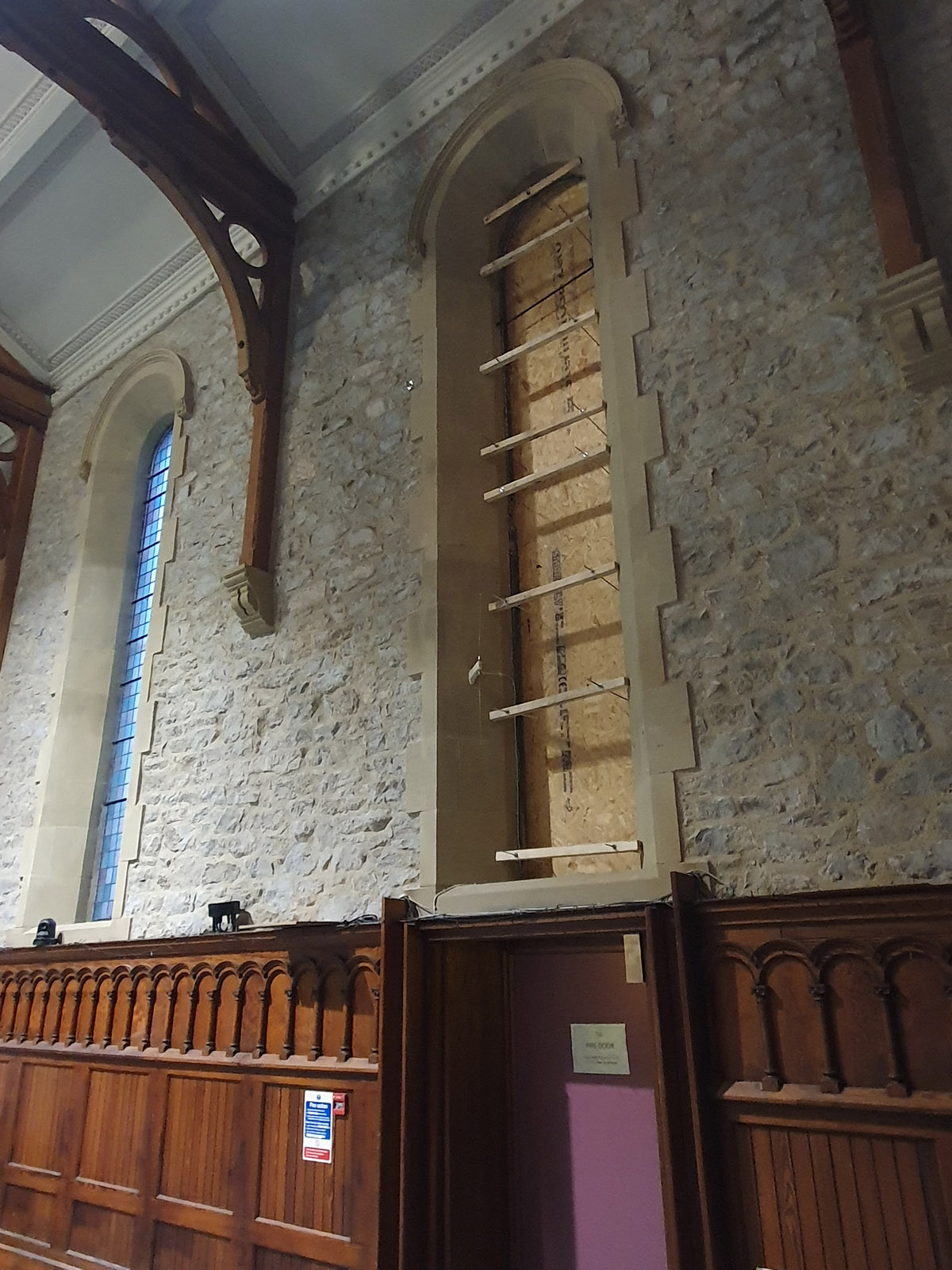
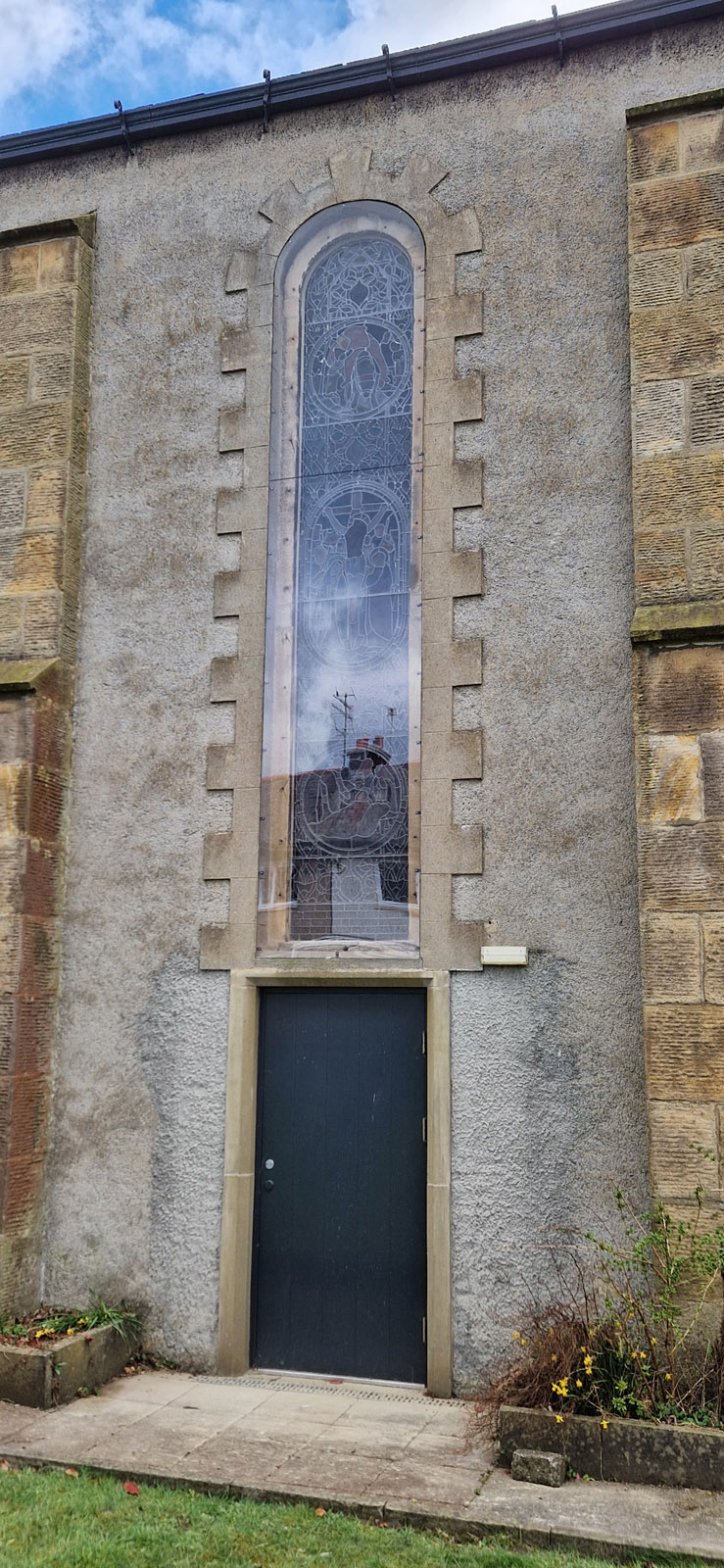
Somewhat unusually in this particular instance, concerns about structural integrity and specifically the risk of partial collapse were such that temporary shuttering was installed while the necessary permissions were obtained to proceed further.
Studio Based Condition Assessment
Following removal, we undertook a detailed condition assessment in the studio to identify specific issues, damage and loss. This process included photographic documentation and detailed written records.
The main issues we identified through inspection were:
- Significant weakening of the lead matrix affecting structural stability
- Splits within the lead matrix due to under-barring/lack of support
- Multiple cracked and fractured glass pieces
- Loss of pigment due to poor quality materials and environmental factors
- Evidence of poor-quality historical intervention
This assessment informed the conservation strategy we adopted and the detailed scope of works required.
Conservation Approach
Our approach to this window followed established conservation principles, with a focus on minimal intervention and the retention of original material wherever possible.
The key stages included:
- Carefully removing the entire window from its setting
- Condition assessment and pre-works documentation/records
- Cleaning the glass using non-abrasive methods
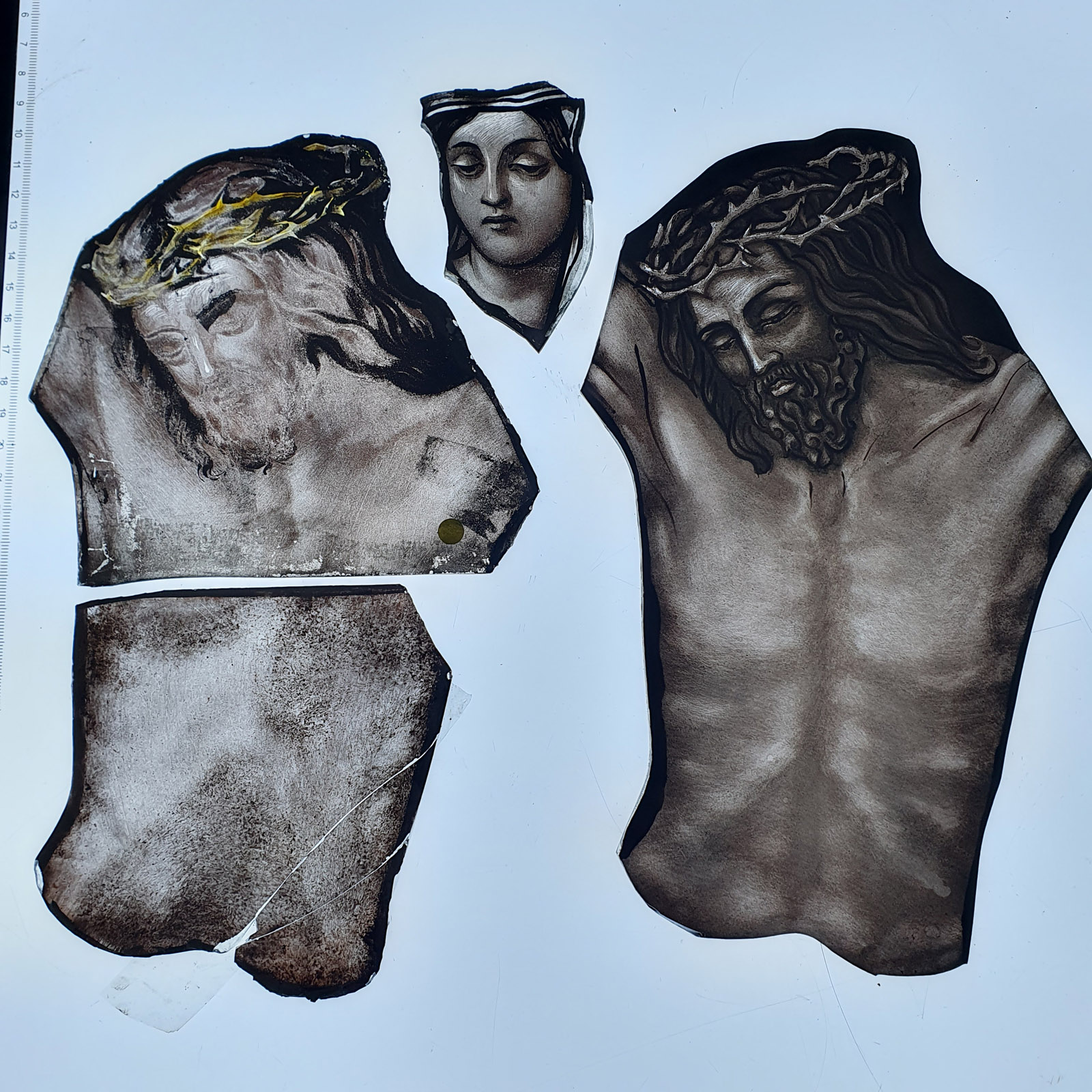
- Edge bonding repair of cracked pieces using conservation grade epoxy resin
- Replacing only those sections of glass that were missing or beyond repair, using closely matched materials
- Plating of lost detail to allow for the retention of original material where possible
- Full releading of the supporting matrix
Implementation
All restoration and conservation works were undertaken at our Clitheroe based studio and workshop. Each piece of glass was individually inspected and treated as required. During the releading process, care was taken to ensure that the original profiles were matched and that the original design was preserved exactly.
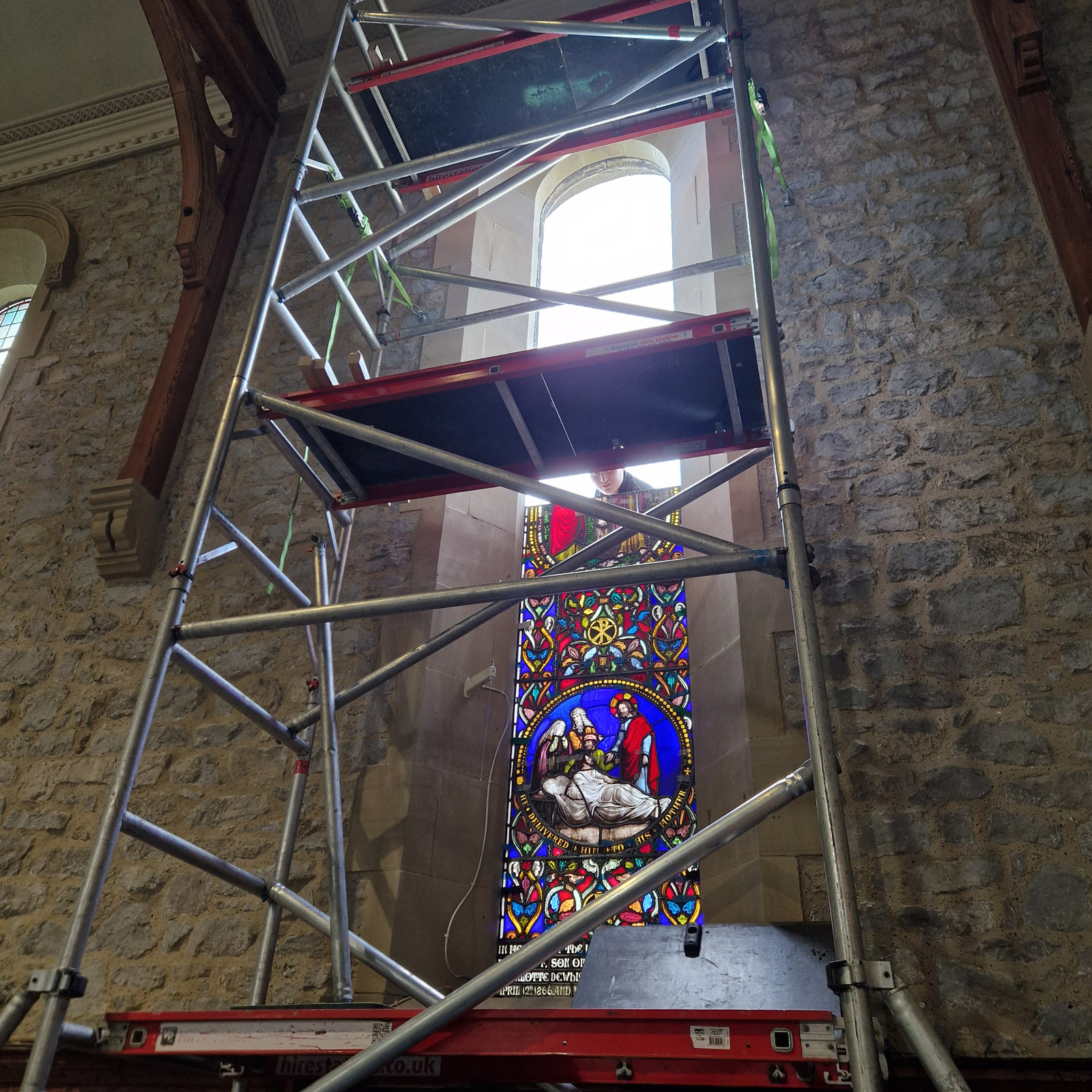
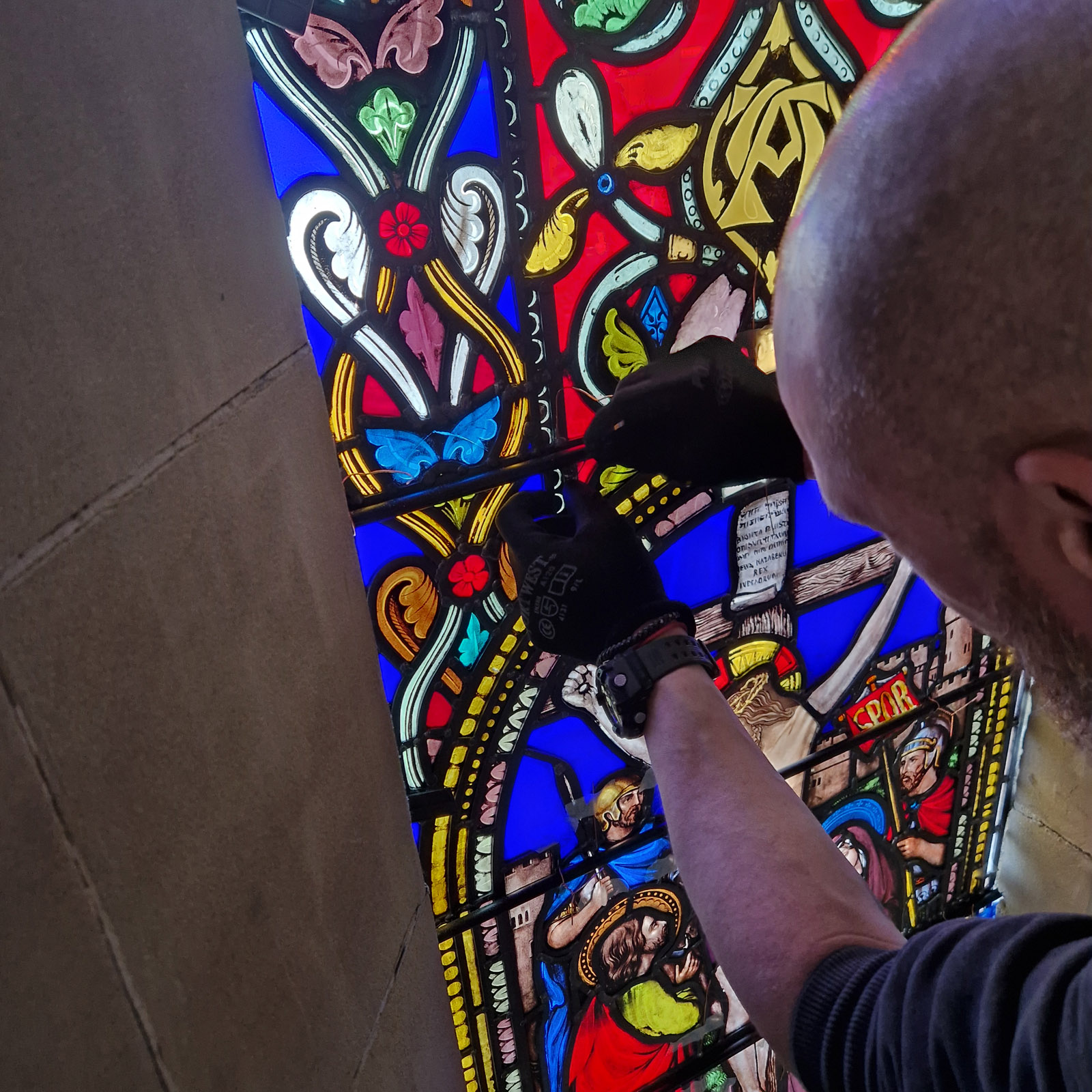
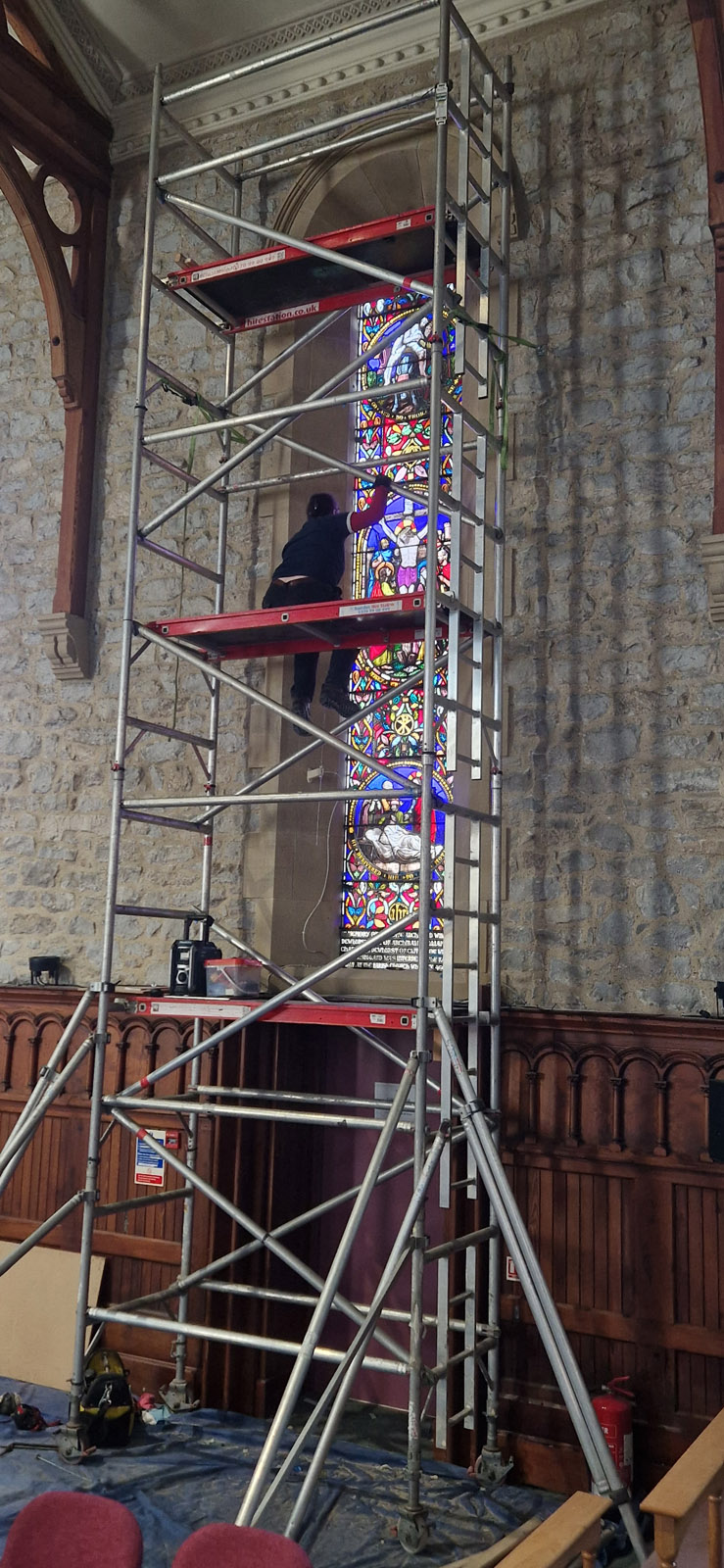
On completion of studio-based intervention, we re-installed the window back into its original setting. A key factor of this process was the replacement of all the original ferrous supporting bars (prone to corrosion) with new non-ferrous manganese bronze alternatives with additional bars included where support had previously been lacking. Also, the use of hydraulic lime mortar as opposed to cement-based mortar is critical – thereby allowing breathability.
Finally, the poorly installed and failing external plastic sheeting was removed and replaced with a new UV stable polycarbonate system. This not only protects the window from future intentional vandalism and the adverse effects of the weather but also allows for essential ventilation of the glass.
Outcomes
- Restored structural integrity and removal of the risk of collapse through releading and the introduction of additional supporting bars
- Improved visible clarity of painted details and overall vibrancy of colour following cleaning and plating
- Retention of over 99% of the original glass
- Increased protection against future environmental/mechanical damage
Conclusion
This project demonstrates the importance of a methodical and conservation-led approach to stained glass restoration. By prioritising minimal intervention, the use of correct materials and issue specific processes, the project achieved a balance between preservation and durability. The result is a sustainable outcome that maintains the window’s historical, aesthetic, and functional value for many decades to come.
0 Comments